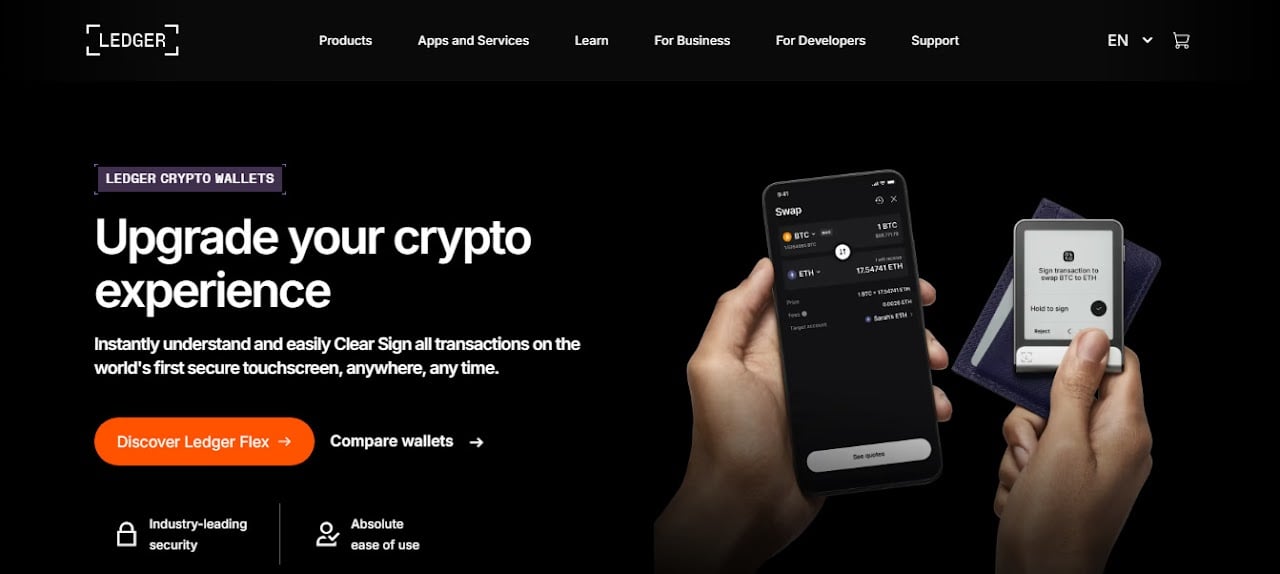
Setting up a cryptocurrency hardware wallet is an opportunity to build better digital security habits from the beginning. Ledger.com/start helps users explore the preparation process, understand compatible software, and learn how to configure a Ledger hardware wallet responsibly. By becoming familiar with each stage, users can avoid common mistakes and approach cryptocurrency management with greater confidence.
A hardware wallet is designed to protect the private keys that authorize cryptocurrency transactions. These keys are essential because they provide control over the digital assets associated with a wallet.A Ledger device works with compatible software to help users review accounts and manage supported assets. Transactions requiring authorization can be reviewed and confirmed on the physical device.Understanding this relationship between hardware and software is a useful first step before beginning the Ledger.com/start process.
Start by identifying your Ledger device model. Review its official documentation to understand connection requirements, supported operating systems, and available functions.Choose a personal computer or compatible mobile device that you trust. Install the latest available operating system updates and use a reliable internet connection.Keep the necessary accessories nearby and inspect the hardware before connecting it. If the device appears damaged or arrives with an existing PIN or recovery phrase, stop and contact genuine Ledger support.
Visit Ledger.com/start by entering the website address directly into your browser. Check the spelling carefully and avoid unfamiliar websites that imitate Ledger branding.Use the instructions relevant to your hardware model rather than relying entirely on generic online tutorials. Device features and setup procedures can differ, so model-specific guidance is important.Bookmark the genuine website if you expect to revisit its documentation.
Ledger Live is commonly used with supported Ledger hardware wallets. It provides an interface for managing accounts and interacting with supported digital assets.Download the application through the genuine Ledger website. Before installing anything, confirm that the software is suitable for your operating system.Once installed, open the application and follow its instructions. Connect the physical device as directed and carefully review any prompts displayed on the device itself.Avoid third-party installers, unsolicited attachments, and applications promoted through suspicious messages.
A new hardware wallet should be initialized by its owner. Follow the instructions displayed on the physical device and establish your own security configuration.If prompted, select a PIN that is difficult for another person to guess. Keep it private and avoid writing it alongside your recovery backup.Never trust a recovery phrase or PIN supplied by a seller or another person. If the device appears to have been configured before you received it, do not continue with that configuration.
Your recovery phrase is an essential backup that can help restore access if your device is lost or damaged. Standard Ledger configurations generally use a 24-word recovery phrase, but always follow the instructions for your exact device and configuration.Write the words down accurately and preserve their original sequence. Store the backup offline in a secure place where unauthorized people cannot access it.Do not photograph the recovery phrase or save it in an email, online document, cloud drive, or messaging application. Never enter it into a website or share it with anyone claiming to provide technical assistance.
After setup, become familiar with account information and supported asset-management features. Before receiving funds, confirm that the asset and network are compatible with your wallet.When sending cryptocurrency, review the destination address, amount, network, and transaction fee. Check the information displayed on the physical hardware wallet before approving the operation.If the displayed information differs from what you expected, reject the transaction and investigate. Cryptocurrency transfers are generally irreversible.
Good security requires consistent attention. Update your device and companion software through genuine sources, avoid suspicious links, and review account activity periodically.Be cautious of urgent messages claiming that your wallet requires immediate verification. Never reveal your recovery phrase to resolve an account issue.
Ledger.com/start provides a useful foundation for learning about hardware wallet preparation and responsible usage. By checking device compatibility, installing genuine software, creating personal security settings, and protecting recovery information offline, users can establish a stronger approach to cryptocurrency management.
Assistant
Responses are generated using AI and may contain mistakes.